Tuberculosis questions and answers for path and pharm exams
Dr Soala Reuben, Physician and pathology educator · 21 October 2026
Tuberculosis can turn up across a path and pharm exam: the pot, the slide, the blood film, the lab results and the drug chart. These are 20 questions worth knowing cold, four from each specialty, each answered in a sentence or two.
Morbid anatomy
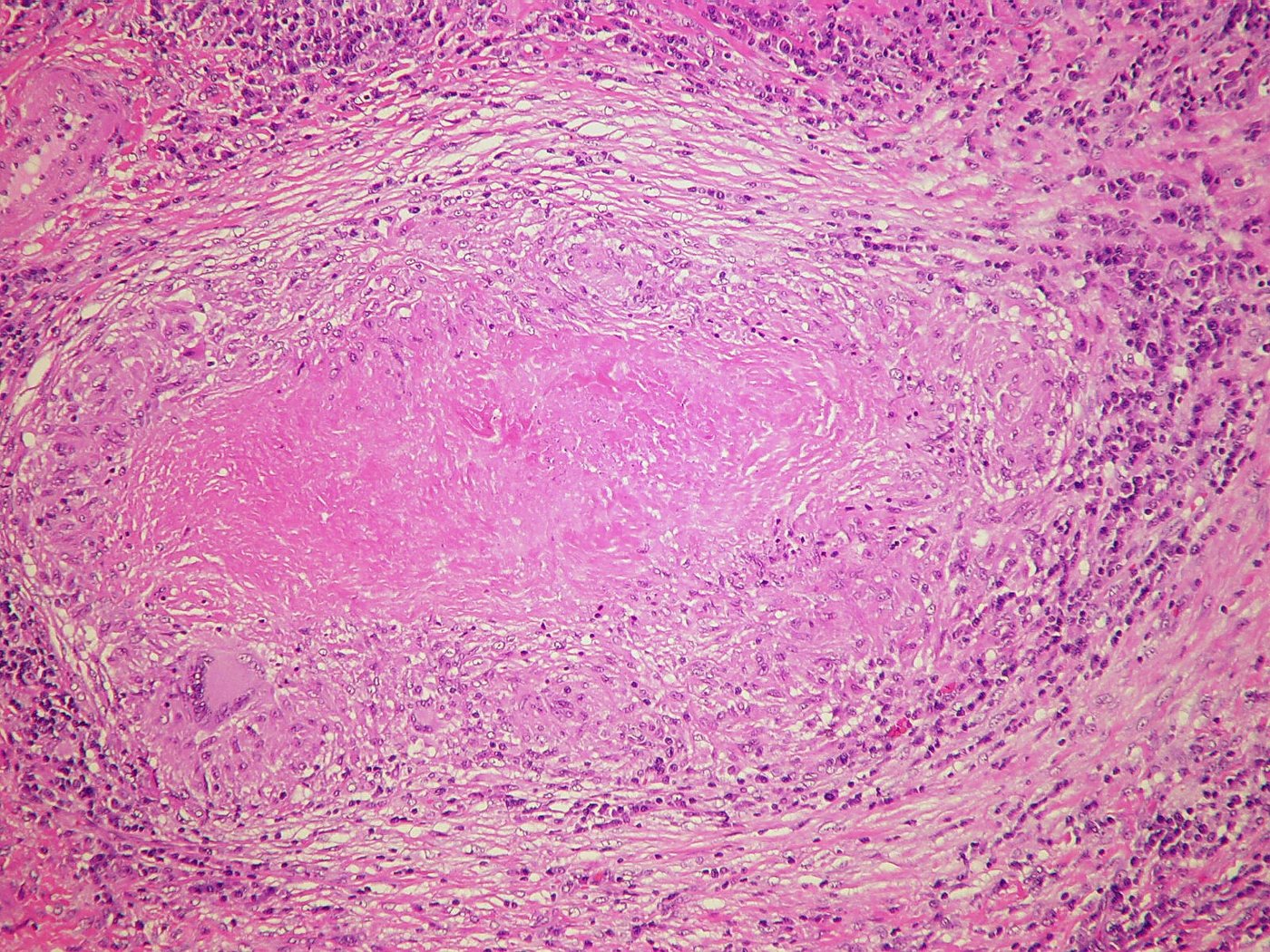
What is caseous necrosis?
Dead tissue that has lost all structure: soft and cheese-like to the naked eye, with no nuclei and no architecture down the microscope. It sits at the centre of the tuberculous granuloma, ringed by epithelioid macrophages, giant cells and lymphocytes.
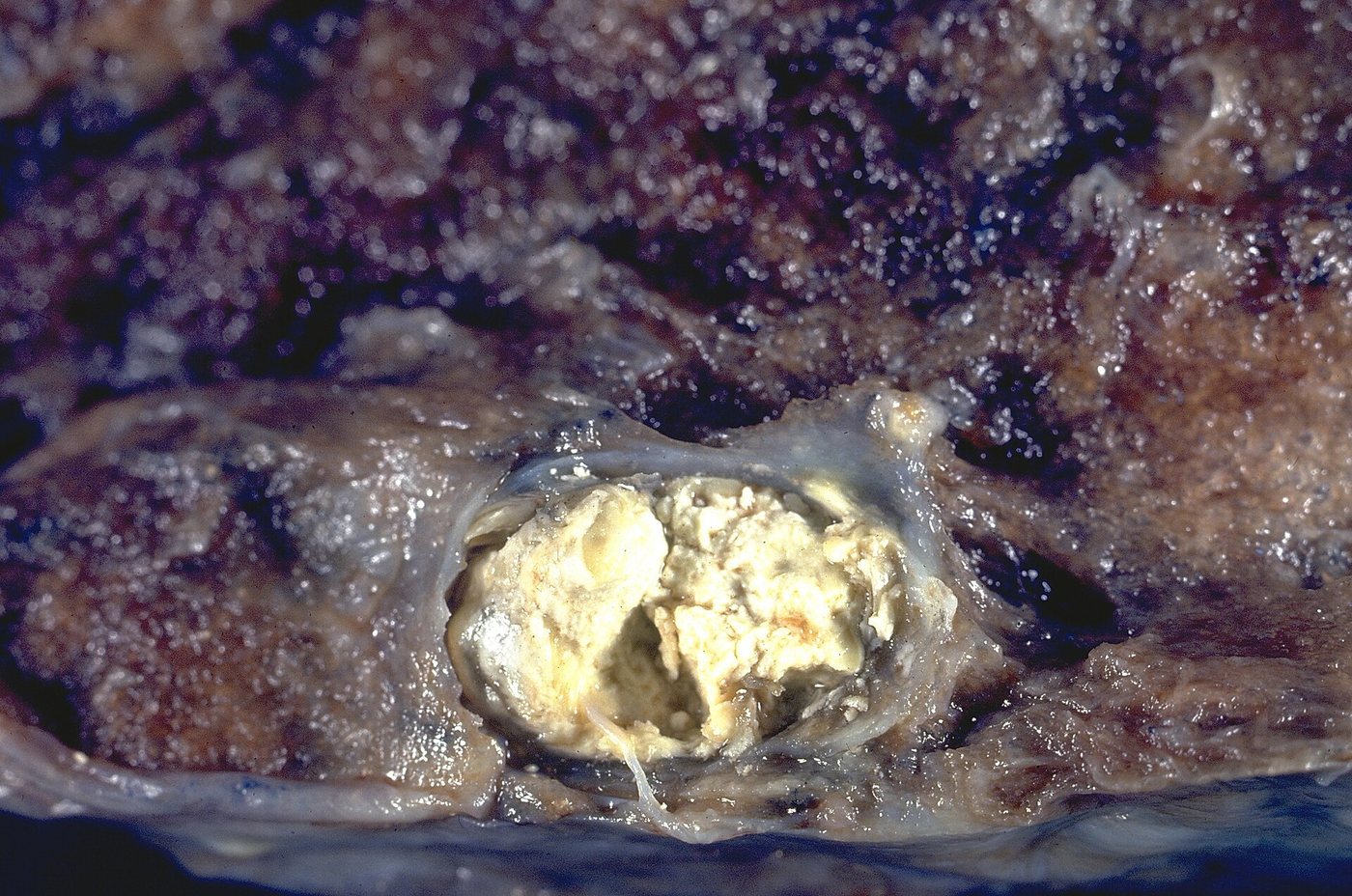
What is the difference between the Ghon focus, Ghon complex and Ranke complex?
The Ghon focus is the first lung lesion of primary tuberculosis, 1 to 1.5 cm across, just under the pleura. The Ghon complex is that focus plus the lymph node that drains it, which often caseates too. When the complex scars and calcifies, as it does in most people, it becomes the Ranke complex, and bacilli can stay alive inside it.
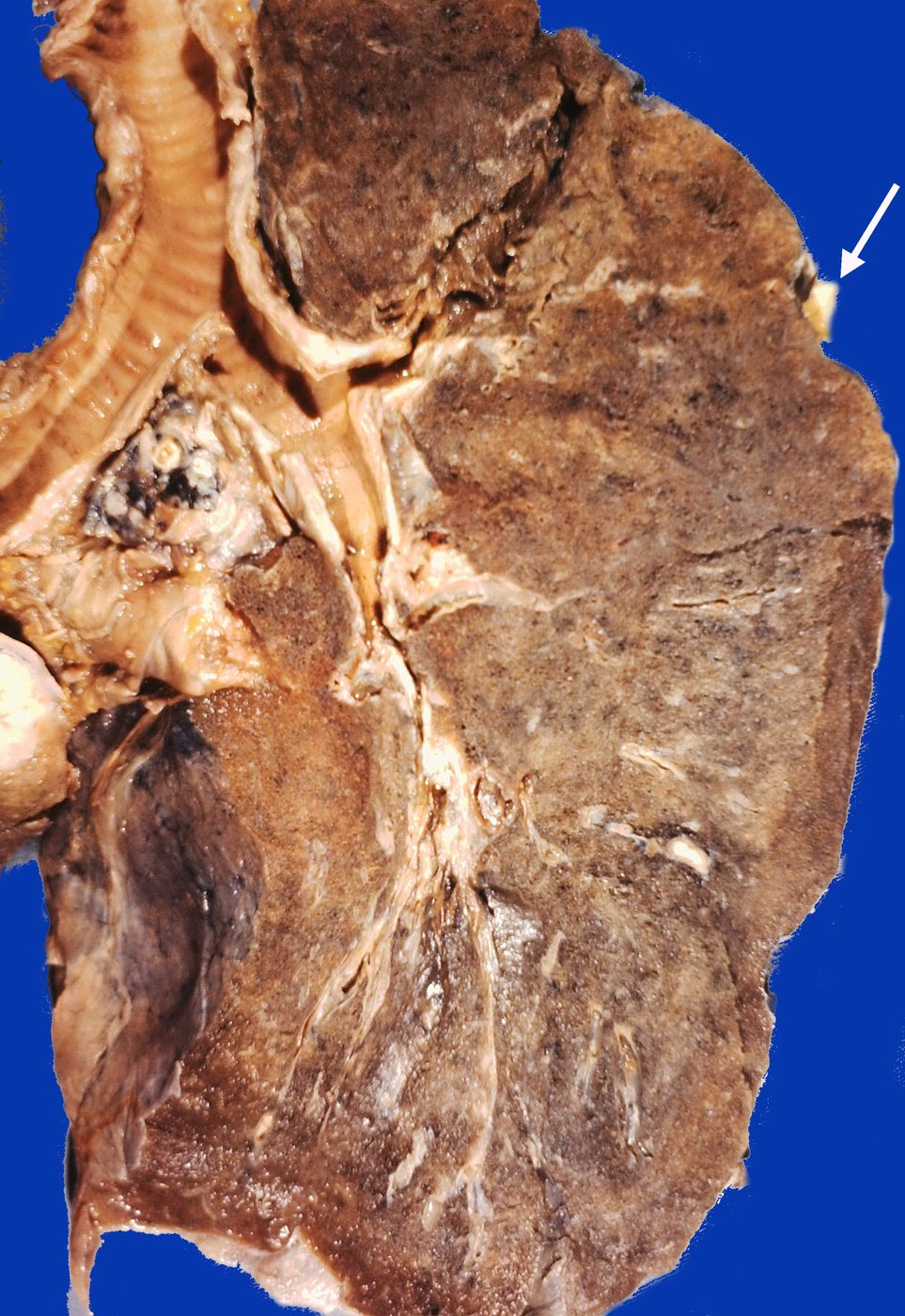
Where does secondary tuberculosis occur?
At the apex of one or both upper lobes. The reason isn't settled, but oxygen tension is high there and the organism needs oxygen.
Can a TB granuloma have no caseation?
Yes. Tuberculous granulomas can lack caseation, even in people with normal immunity, so ask for an acid-fast stain whenever you see granulomas. On a lymph node biopsy, caseation points to tuberculosis and Reed-Sternberg cells point to Hodgkin lymphoma.
Microbiology
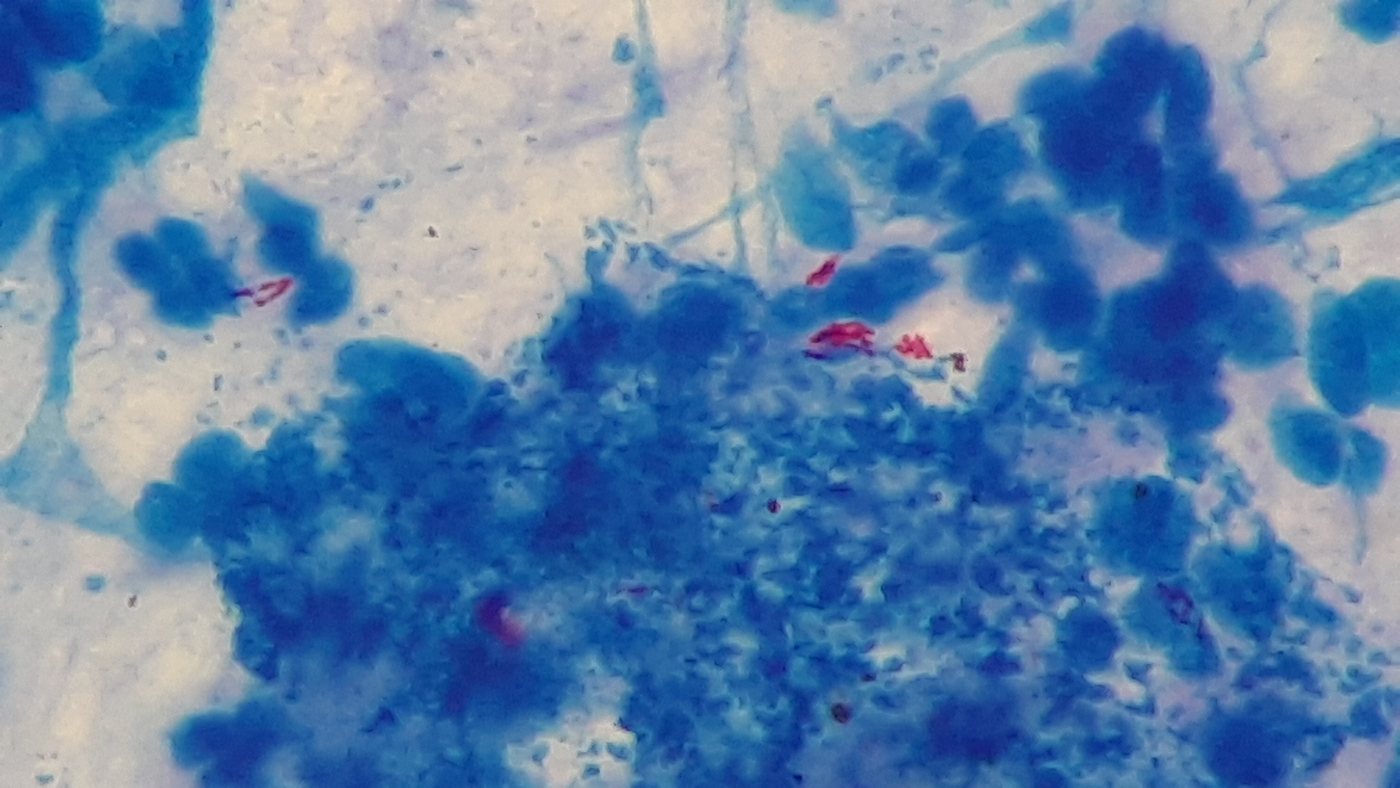
Why is Mycobacterium tuberculosis acid-fast?
Its cell wall is rich in mycolic acid. In the Ziehl-Neelsen stain the organism takes up red carbol fuchsin and keeps it after acid alcohol, so the bacilli stay red on a blue background.

What is the GeneXpert test for TB?
GeneXpert MTB/RIF is a molecular test that detects the organism and reports rifampicin resistance in one run. In Nigeria it's the first test for anyone with presumptive tuberculosis. Smear microscopy is the fallback where it isn't available, and culture is still sent for the species and full drug susceptibility.
What does smear-negative TB mean?
No acid-fast bacilli were seen on the smear, and it doesn't rule out tuberculosis. The smear needs many bacilli, so it confirms well and excludes poorly. In tuberculous lymph nodes most confirmed cases stain negative: in a Nigerian review, only about one in six stained positive.
What do MDR TB and XDR TB mean?
MDR tuberculosis is resistant to both isoniazid and rifampicin. XDR tuberculosis is MDR plus resistance to a fluoroquinolone and to bedaquiline or linezolid. The commonest cause of both is poor treatment of the first episode.
Haematology and immunology
Which cytokine activates macrophages in TB?
Interferon gamma, released by Th1 cells. It switches on nitric oxide and antimicrobial peptides in the macrophage. The tissue damage in tuberculosis is a type IV, delayed, hypersensitivity reaction.
Why do TNF inhibitors reactivate latent TB?
TNF recruits the monocytes that keep the granuloma intact. Block it, with a drug such as infliximab, and the granuloma can fail, so latent infection reactivates.
What does a positive Mantoux test mean?
The Mantoux test is the tuberculin skin test. A positive result means infection at some time, not active disease: latent infection and active disease give the same reaction. BCG can make the skin test positive, but not an interferon gamma release assay.
What causes anaemia in TB patients?
Usually anaemia of chronic disease: normocytic and normochromic, with a low serum iron and a normal ferritin, because the iron is held in the stores.
Chemical pathology
What are the CSF findings in TB meningitis?
Clear or slightly cloudy fluid with mostly lymphocytes, a raised protein and a low glucose, read against a plasma glucose taken at the same time. Pyogenic meningitis gives cloudy fluid with neutrophils.
What does pleural fluid show in a TB pleural effusion?
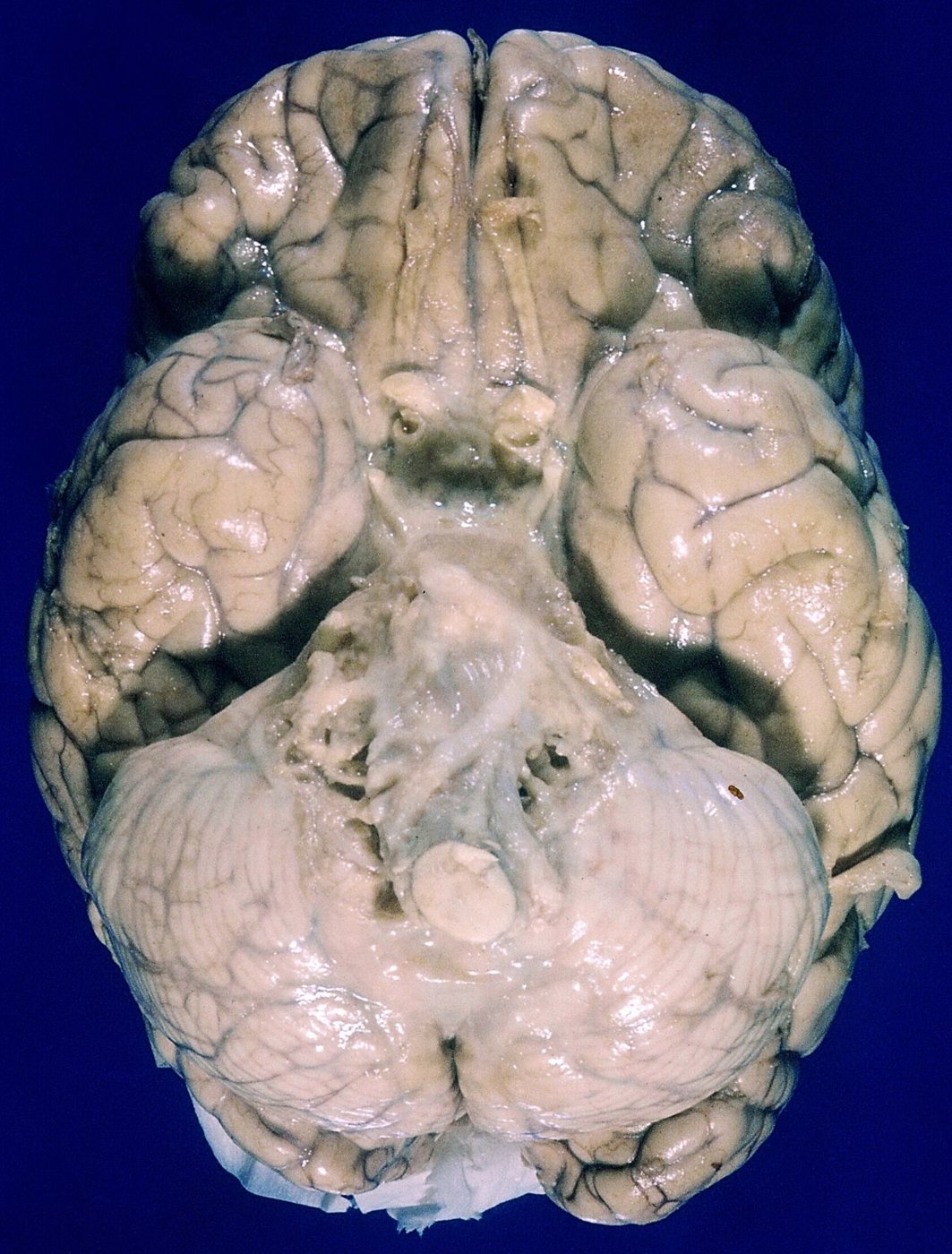
An exudate, with mostly lymphocytes. Light's criteria confirm an exudate: any one of a fluid to serum protein ratio above 0.5, a fluid to serum LDH ratio above 0.6, or a fluid LDH above two thirds of the serum upper limit. An adenosine deaminase above 40 U/L suggests tuberculosis where it's common.
What is the mechanism of hypercalcaemia in TB?
Activated macrophages in the granulomas make active vitamin D outside the kidney's control. Parathyroid hormone is suppressed, and the calcium results look the same as in sarcoidosis.
What causes hyponatraemia in TB?
Destruction of both adrenal glands (Addison's disease, with a high potassium and pigmentation), SIADH, or, rarely, ACTH deficiency from the pituitary.
Pharmacology
What does 2RHZE/4RH mean?
Rifampicin, isoniazid, pyrazinamide and ethambutol for two months, then rifampicin and isoniazid for four. Our guide to 2RHZE/4RH meaning explains why each drug is used.
What are the eye side effects of ethambutol?
Optic neuritis: falling visual acuity and loss of red-green colour vision. The risk rises with higher doses and in kidney impairment.
Why is pyridoxine given with isoniazid?
Isoniazid causes a relative pyridoxine deficiency, which leads to a peripheral neuropathy felt as tingling in the hands and feet. Pyridoxine prevents it.
Which TB drugs cause liver damage?
Isoniazid, rifampicin and pyrazinamide. An ALT above five times the upper limit, or above three times with symptoms, marks drug-induced liver injury. Ethambutol spares the liver.
Practise them
patandfam's tuberculosis module teaches each of these in context, with the pots, slides and lab results, and lets you test yourself with flashcards, timed questions and a viva.
Sources
- Kumar V, Abbas AK, Aster JC (eds). Robbins pathology, tuberculosis
- Gladwin M, Trattler B. Clinical Microbiology Made Ridiculously Simple, chapter 15, Acid-Fast Bacteria
- Hoffbrand's Essential Haematology
- Crook MA. Clinical Biochemistry and Metabolic Medicine
- Peloquin CA, Egelund EF. Antimycobacterial Drugs, chapter 32 of Lippincott Illustrated Reviews: Pharmacology
- NTBLCP, Federal Ministry of Health, Nigeria. National Tuberculosis, Leprosy and Buruli Ulcer Management Guideline, 7th edition
- Ukekwe FI, Olusina DB, Banjo A, Akinde OR, Nzegwu MA, Okafor OC, Ocheni S. Tuberculous lymphadenitis in South-Eastern Nigeria: a 15 years histopathologic review (2000-2014). Annals of Medical and Health Sciences Research 2016;6(1):44-49.
- World Health Organization. Meeting report of the WHO expert consultation on the definition of extensively drug-resistant tuberculosis, 27–29 October 2020. Geneva: WHO; 2021.
- Porcel JM. Advances in the diagnosis of tuberculous pleuritis. Annals of Translational Medicine.
- Saukkonen JJ, Cohn DL, Jasmer RM, et al. An official ATS statement: hepatotoxicity of antituberculosis therapy. Am J Respir Crit Care Med 2006;174:935–952.