patandfamBlogModules

Extrapulmonary tuberculosis

Written and reviewed by Nigerian physicians and medical educators

Key facts

Tuberculosis can reach almost any organ. In a working immune system the process is the same everywhere: a granuloma forms, the centre caseates, tissue is destroyed, and fibrosis replaces it. In advanced HIV, granulomas may not form at all.
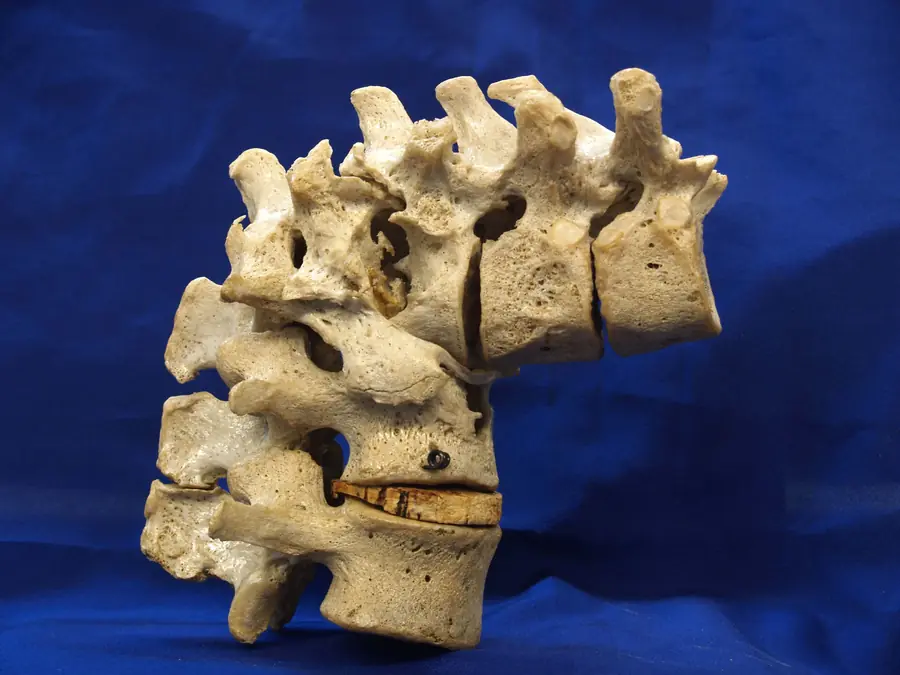
Clinical photograph of a back showing a sharp posterior angulation of the spine.
Gibbus deformity from tuberculosis of the spine.National Museum of Health and Medicine (US Department of Defense) · No known copyright restrictions
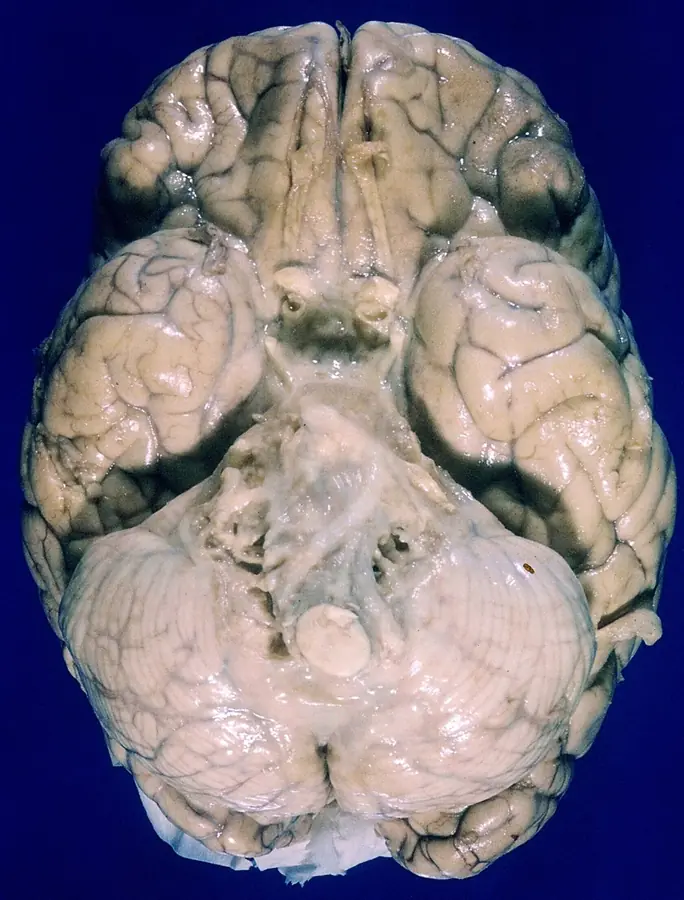
Inferior surface of a fixed brain. A thick grey-white gelatinous layer covers the base around the brainstem and the interpeduncular region, obscuring the vessels, while the cerebral and cerebellar surfaces further out remain clear.
Tuberculous meningitis. Thick grey gelatinous exudate fills the basal cisterns and encases the vessels and cranial nerves at the base of the brain.Yale Rosen, Atlas of Pulmonary Pathology · CC BY-SA 2.0 · reproduced unmodified
Study this in the moduleThe same topic, with pictures to explore, quick checks and your notes.Practice questionsFree accountExam-style questions, practical stations and a spoken viva on Tuberculosis.FlashcardsCards from every specialty, and any key facts you've saved.

Every topic in Tuberculosis